- By Admin
- 21 May, 2025
- 2241 Reading
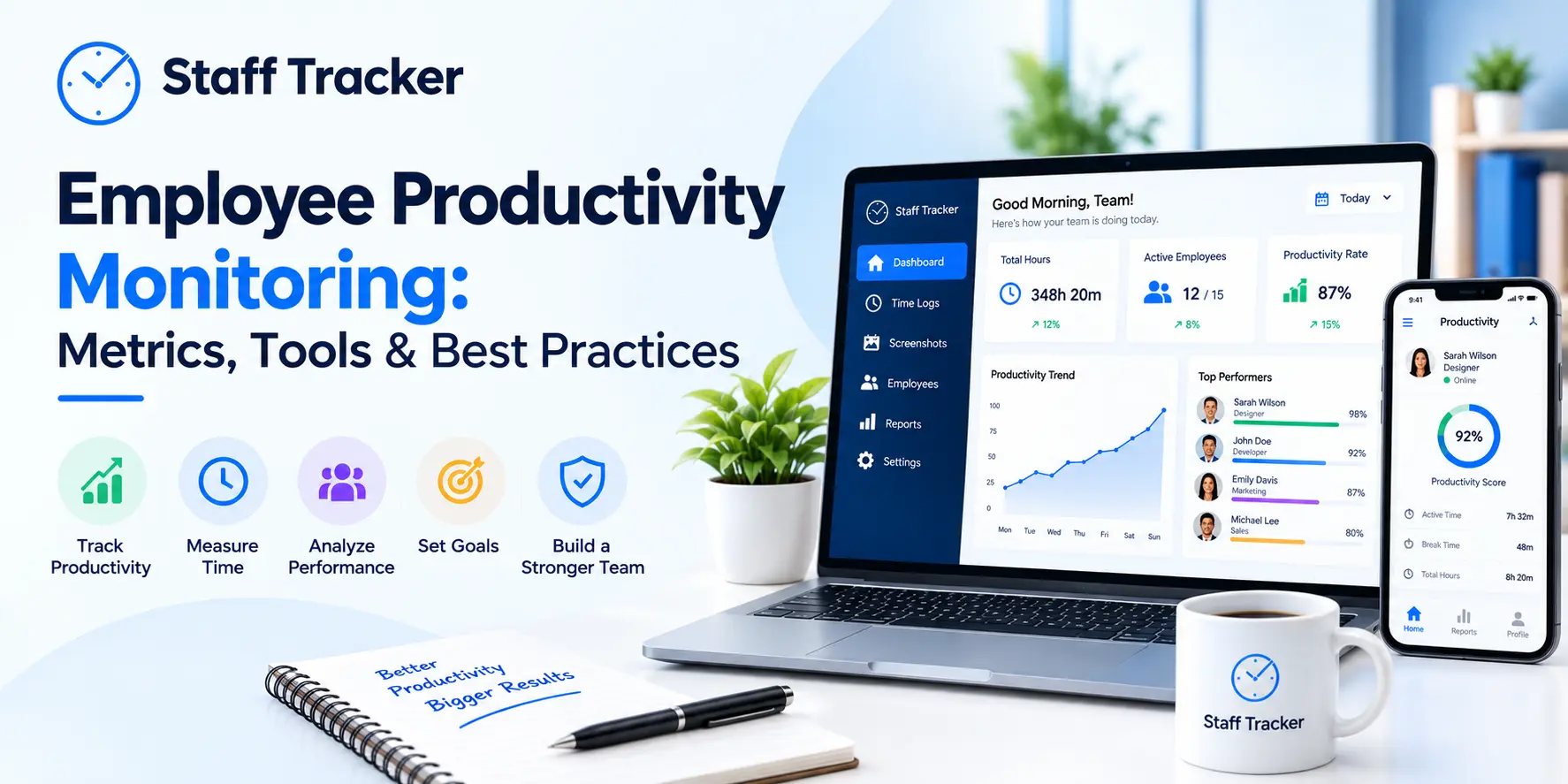
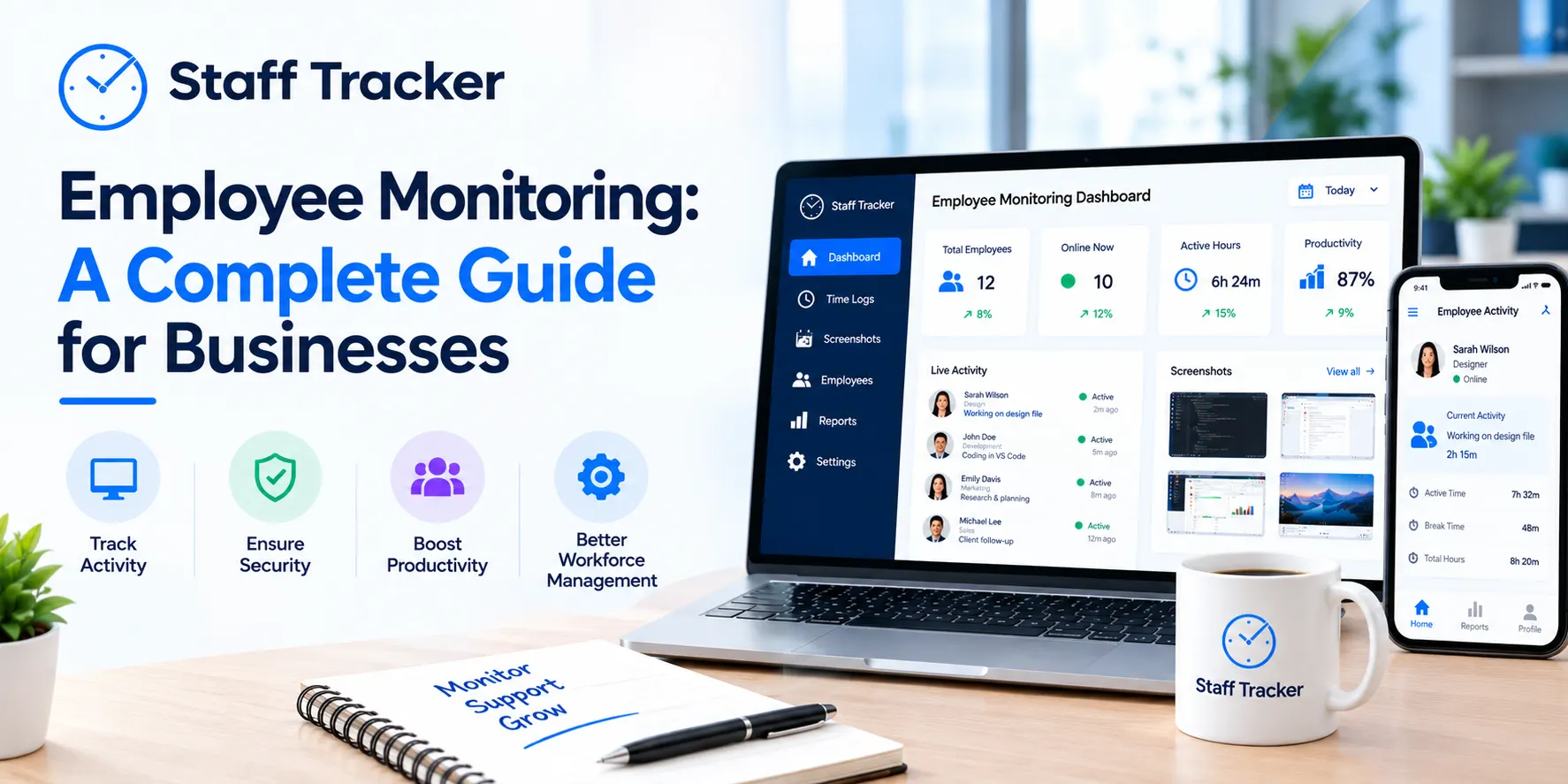
Accountability is necessary for a successful team in the modern business world. Management needs to understand the progress of projects without having to micromanage employees. This is even more critical for employees working in the office, remotely, or having a hybrid work schedule. Employee productivity tracking software is a useful tool for bringing visibility into the business.
Tracking employee productivity software enables the business to see what work is being done, how productive the work is, how long the work takes, and what the work is being done for, while also helping to analyze the business and improve collaboration amongst the team. Instead of monitoring employees, these modern solutions enable transparency, accountability, and empowerment of employees to do their best work.
Employees become more accountable for their work when they understand what is expected of them and when they receive feedback and performance data. The managers using this data are provided with insight that is actionable and will help improve the performance of the team.
This assessment will show the various ways employee productivity tracking software enhances accountability for the employees while also improving the productivity of the employees. This will also help businesses implement a culture that promotes trust and productivity.
The Importance of Team Accountability
When a team is accountable, each member has ownership of their tasks and works towards the goals of the business, while also completing tasks on time and communicating with the team. The opposite of accountability leads to a business with:
Goals that are never met
Low productivity
Poor team collaboration
Unclear visibility
Disengaged employees
Waste of resources
Rather than having to rely on constant supervision, employees need to be provided with the tools, expectations, and insights to their performance in a way that enables the employee to meet their goals.
Tracking employee productivity software helps foster a new organizational culture by Providing comprehensive insights for managers and employees into the status of work.
1. What Is Employee Productivity Tracking Software?
Tracking employee productivity software provides organizations with the ability to track employee work, hours spent, tasks completed, applications used, the progress of work on projects, and the work overall.
Modern productivity tracking software provides organizations with the ability to track employee work, hours spent, tasks completed, applications used, the progress of work on projects, and the work overall, without the need for micromanagement.
Some of the more common features of productivity tracking software includes:
Feature |
Tracking employee time |
Analytics and reports on productivity |
Monitoring attendance |
Timesheets |
Managing work and projects |
Work analytics |
Employee performance reports |
Monitoring employees working remotely |
Employee productivity tracking software supports businesses in the management of work and employees by providing the tools to track work and employees by viewing reports and dashboards.
The software fosters organizational transparency and provides the ability for employees to take ownership of work.
The software fosters organizational transparency and provides the ability for employees to take ownership of work.
The data provided by the software eliminates the need for managers to request work status updates.
The software provides managers with the ability to monitor progress and the employees with the ability to see how their work progresses and supports the overall goals of the organization.
Over time, transparency improves trust and communication within the organization.
2. Automates Time Tracking and Work Scheduling
Manual timesheets are often the source of mistakes, inaccurate reporting, and time that could be used for more productive tasks.
With an employee productivity tracking software, automated attendance can now log:
Automatically Logged Data |
Check-ins and Check-outs |
Work Hours |
Breaks |
Time spent Idle |
Completed Tasks |
Attendance |
Gone are the days when managers must check employee availability and record the total number of working hours.
Balanced Automated Scheduling helps to fairly distribute work based on employee availability and reduces operational burnout and positively impacts operational productivity.
Instead of administrative work, employees can focus on more productive tasks.
3. Better Task Management and Workflow
Knowing the precise status of a project is one of the many challenges most organizations face.
With employee productivity tracking software, task status is visible by the manager who can observe:
Task Visibility |
Work That has been Assigned |
Tasks that are Pending |
Tasks that have been Completed |
Timelines of Projects |
Workload of the Team |
Management can address potential roadblocks that may delay project completion as they get updates on the status of tasks.
For employees, it enhances the clarity of task priorities. This helps with the management of their own workload and provides greater accountability for deadlines.
Visibility of workflow typically results in increased productivity and achievement of goals in a shorter timeframe.
4. Aids in Data-Driven Performance Appraisals
Productivity tracking software has shifted the paradigm from subjective assessments to making data driven performance judgments.
Management can now assess employees based on data such as:
Performance Metrics |
Scores of Productivities |
Hours Worked |
Tasks Completed |
Days Present |
Efficiency of Tasks |
Trends of Performance |
While each employee's data is evaluated, the review is seen by employees as fair and transparent; thus, they are more motivated to improve performance.
This has a positive impact on improving productivity and performance.
5. Strengthens Communication Between Managers and Employees
For accountability, communication is one of the most critical factors in the workplace.
Productivity tracking software enables managers to understand employee performance for the purpose of having more personalized one-on-one meetings. Rather than vague questions regarding the tasks employees are doing, managers are empowered to ask about the status of individual projects and the challenges faced along the way, as well as the opportunities for improvement and the metrics for goals.
One-on-one meetings with personalized feedback based on tracked employee performance create a more positive work culture of trust and engagement.
6. Uncovers the Need for Further Development
There are many factors outside of an employee’s control that can cause low productivity.
Staff may need:
New or improved tools
Refined processes
Improved clarity and expectation
More resources
Productivity tracking software helps managers understand the precise challenges that employees face to provide the necessary support.
This allows managers to improve processes that cause employees to feel more supported and more accountable to the team.
7. Deters Time Theft and Other Fraudulent Behaviors
Time and productivity are lost to theft and policy violations.
Productivity tracking software allows managers to understand when employees have:
Potential Issues Detected |
Excessive idle time |
Visited personal, unauthorized, or banned websites in the course of their work |
Had irregular or suspicious attendance |
To protect both employee and company interests, productivity tracking software enables managers to fairly audit work without policing employees.
8. Improves Customer Satisfaction
Accountable employees drive better customer experience.
The effects of productivity increase on an organization are:
Forms of positive feedback from the customer include:
Business Outcomes |
Quicker response times |
Improved service |
Less mistakes |
Higher retention rate |
Greater satisfaction |
Increased satisfaction can lead to business referrals and increased opportunities for growth.
Employee Productivity Tracking Software Best Practices
While using employee productivity tracking software, organizations focusing on transparency achieve the best results. Conduct the following:
Inform employees of the reason for tracking productivity.
Provide employees with access to productivity reports.
Provide employees with realistic expectations of productivity.
Use report data to coach employees.
Protect employee privacy by reporting relevant data.
Use data to measure performance and share to celebrate employee performance.
Provide feedback for employees to achieve personal improvement.
Productivity tracking software used ethically helps achieve employee success.
Staff Tracker's Unique Value Proposition
More is required than simply tracking attendance.
Staff Tracker, as an example of a true productivity platform, helps:
Staff Tracker Helps |
Track productivity in real time |
Track attendance and hours worked |
Build accountability |
Create detailed reporting on productivity |
Help staff to achieve optimal productivity |
Manage employees who work in numerous locations |
Fueled by trust and accountability, Staff Tracker provides organizations with the productivity edge they seek through innovative reporting and analytics.
Closing
Monitoring employee productivity is a thing of the past. Today, enabling and empowering employee accountability software helps businesses achieve their goals through improved collaboration. Increased demand for the automation of time tracking, improved management of tasks, clear performance expectations supported by advanced reporting, identification of productivity hurdles, and enhanced business communication are a few of the reasons employees feel accountable, empowered, and enabled.
When applied accurately, the software that tracks employee productivity balances and strengthens the interests of the employer and employee alike by fostering trust, increasing productivity, and creating the foundation for sustained success.
To create an efficient workplace, systems that strengthen workforce productivity and team accountability are essential. Staff Tracker has the right solutions to help you realize your workplace potential.
FAQs
1. What is employee productivity tracking software?
Employee productivity tracking software lets employers analyze employees for a variety of metrics in real time such as hours worked, tasks performed, productivity, attendance, and more.
2. In what ways does employee productivity tracking software foster team accountability?
It fosters team accountability through the automation of time tracking and the measurement of productivity and task progress. Managers are then able to provide feedback regarding work metrics.
3. Is employee productivity tracking software good for remote employees?
Definitely. Productivity tracking software is perfect for remote and hybrid employees because it lets managers see employee productivity and the status of tasks and projects no matter where employees are.
4. Does tracking productivity erode employee trust?
Not done with a clear conscience and for the right reasons. Trust is built more than hindered when tracking is openly communicated to reach goals, and coaching is done with tracking data instead of punitive measures.
5. What capabilities of employee productivity tracking software do employers need to look for?
Employers should look for software that has time tracking, attendance, productivity measurement, progress tracking, automated reporting, workforce dashboards, activity tracking, and performance reporting.
6. Does productivity tracking software improve employee performance?
Definitely. Employee performance tends to be maximized and kept more accountable through increased sustained engagement when data-backed performance feedback and assessment is provided on measurable goals and expectations.
7. How does Staff Tracker enhance productivity?
Staff Tracker allows companies to realize the benefits of productivity reporting, automated time and attendance tracking, performance reporting, remote team management, and increased workforce accountability by way of real-time analytics.
Written by the Staff Tracker Team
This content was authored by the Staff Tracker team who has lots of experience managing the workforce as well as tracking time and attendance and employing HR Technology. Staff Tracker Creates content that is practical and speaks to the pain businesses have with optimizing workforce operations and improving productivity in the business.
 09-10-2026